Despacho No. 004 · Vol. 2025 · Día de escritorio · Ensayo personal · Sabiduría del Viajero
The Trail: How to Travel the World for (Almost) Free
Being broke on the road in Europe, and how I kept moving without a plan for the fare home.
Traducción al español en curso. Mostrando la versión en inglés por ahora.
Nota de campo de 2025. Un despacho personal, en otro registro que los protocolos.
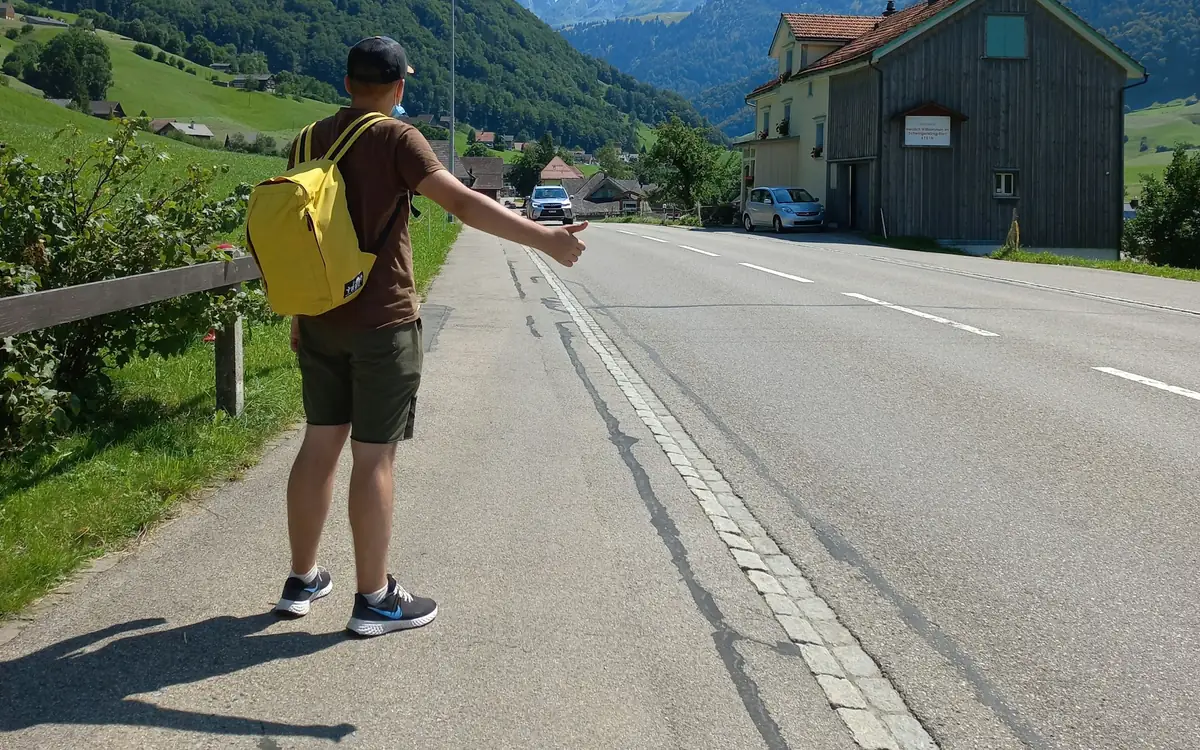
Desk day. A personal note from a stretch of being broke in Europe, and the work-exchange that kept the trip going.
Alright, let’s talk about being broke on the road. Ever felt that?
After a few months in Europe, my wallet was getting seriously thin. I never really planned for it to go that way. The original mission was simple: get to Australia, work for a year. But life, you know, had other plans.
By the time I landed in Australia, my wallet was running on fumes. The travel had drained my bank account, but my hunger for the road was way stronger than my fear of being broke.
That’s when I discovered work-exchange. And it changed everything.
So, what exactly is this “work-exchange” thing?
It’s a simple deal: you trade a few hours of your skills for a place to stay and food to eat. The skills can be anything, cooking, teaching, farming, photography, or just good old-fashioned manual labor.
But honestly, it’s not just about saving money. For me, it was the perfect way to get to know the people, the culture, and see how the locals actually live. It’s about immersion and connection.
Let me tell you about my first time.
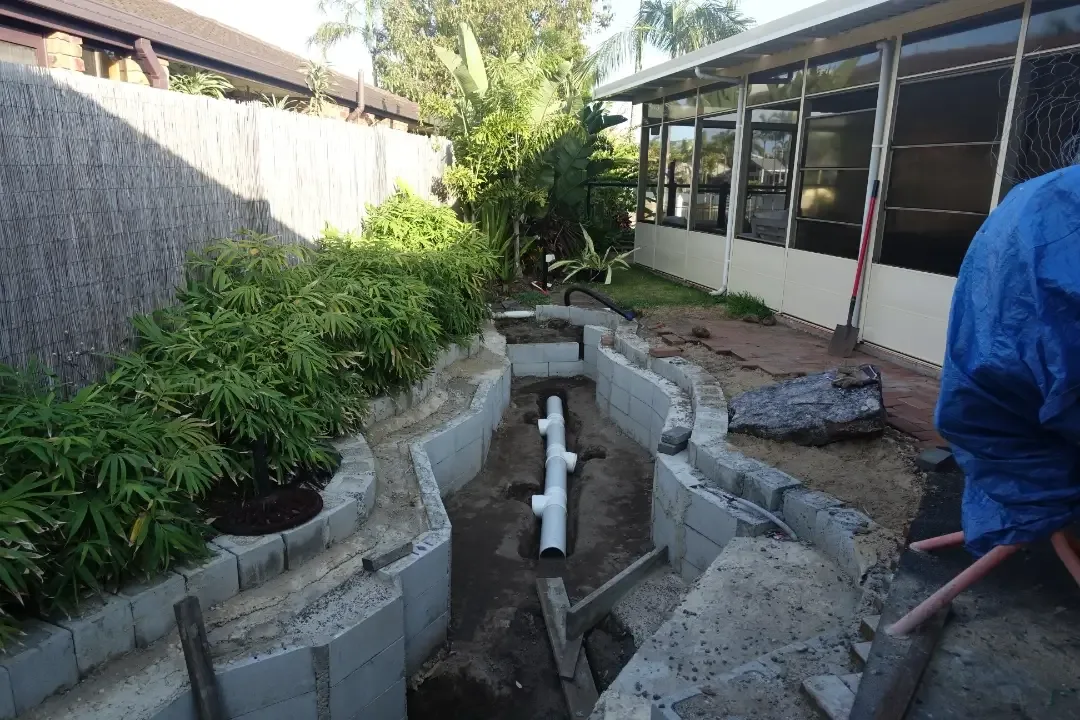
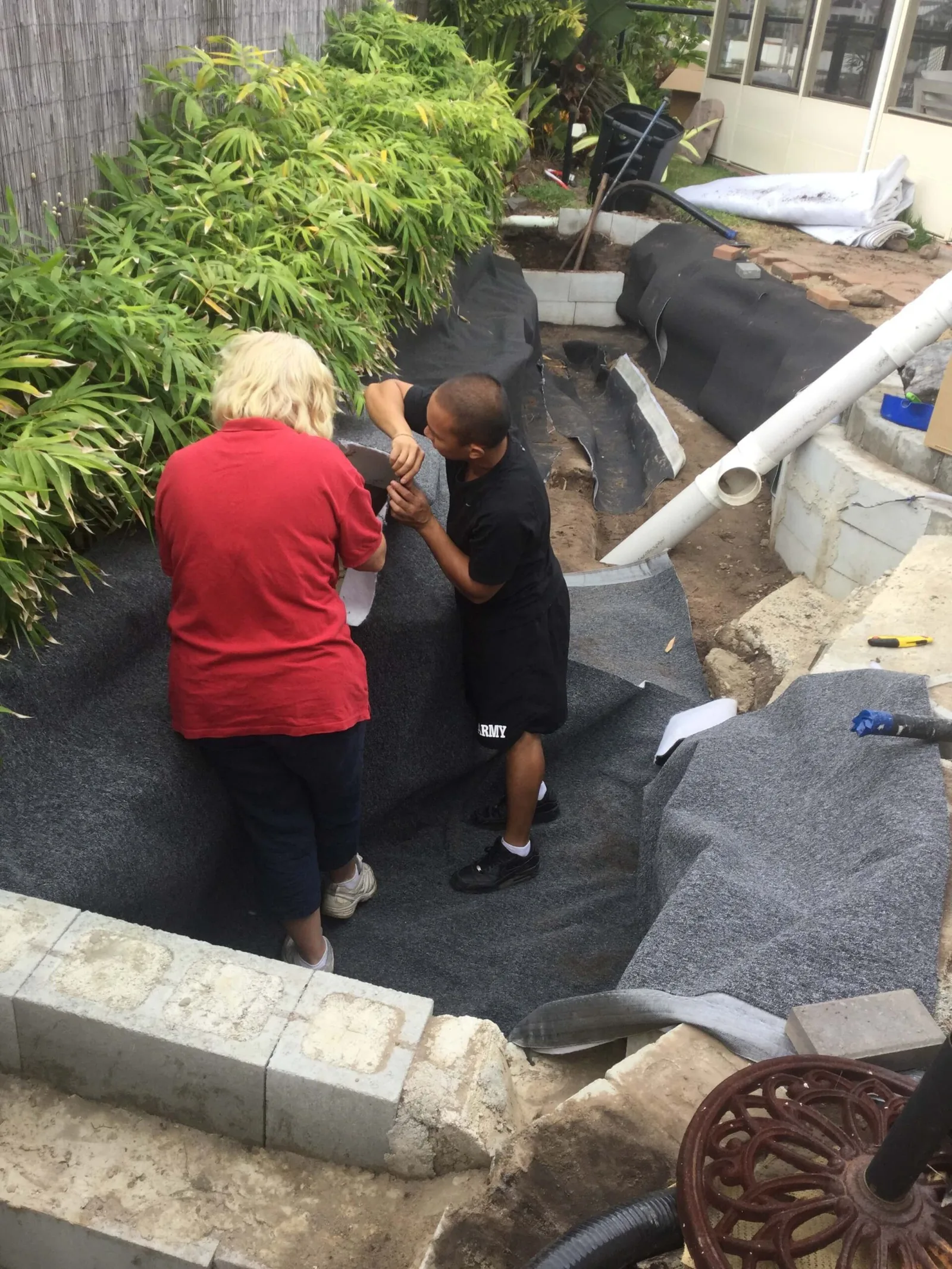
I signed up for Workaway and found a gig on the Sunshine Coast in Australia. The task? Help a family build a pond.
I had never built a pond in my entire life. But oh well, I wanted to learn, and all they needed was manual labor, which I’m pretty good at. I love building things.
So I stayed for a week. In the mornings, my host would drive me to a local spot to grab coffee and watch the sunrise over the ocean. We’d see dolphins jumping. It was insane.
Then, back to work. Digging, digging, and more digging. Moving earth with a shovel, by hand, to clear the space. It was hard work, but damn, it was satisfying. It was also a great workout. I did work so hard in the heat one day that I got dehydrated and was sick for two days, but I got back up and finished the job.
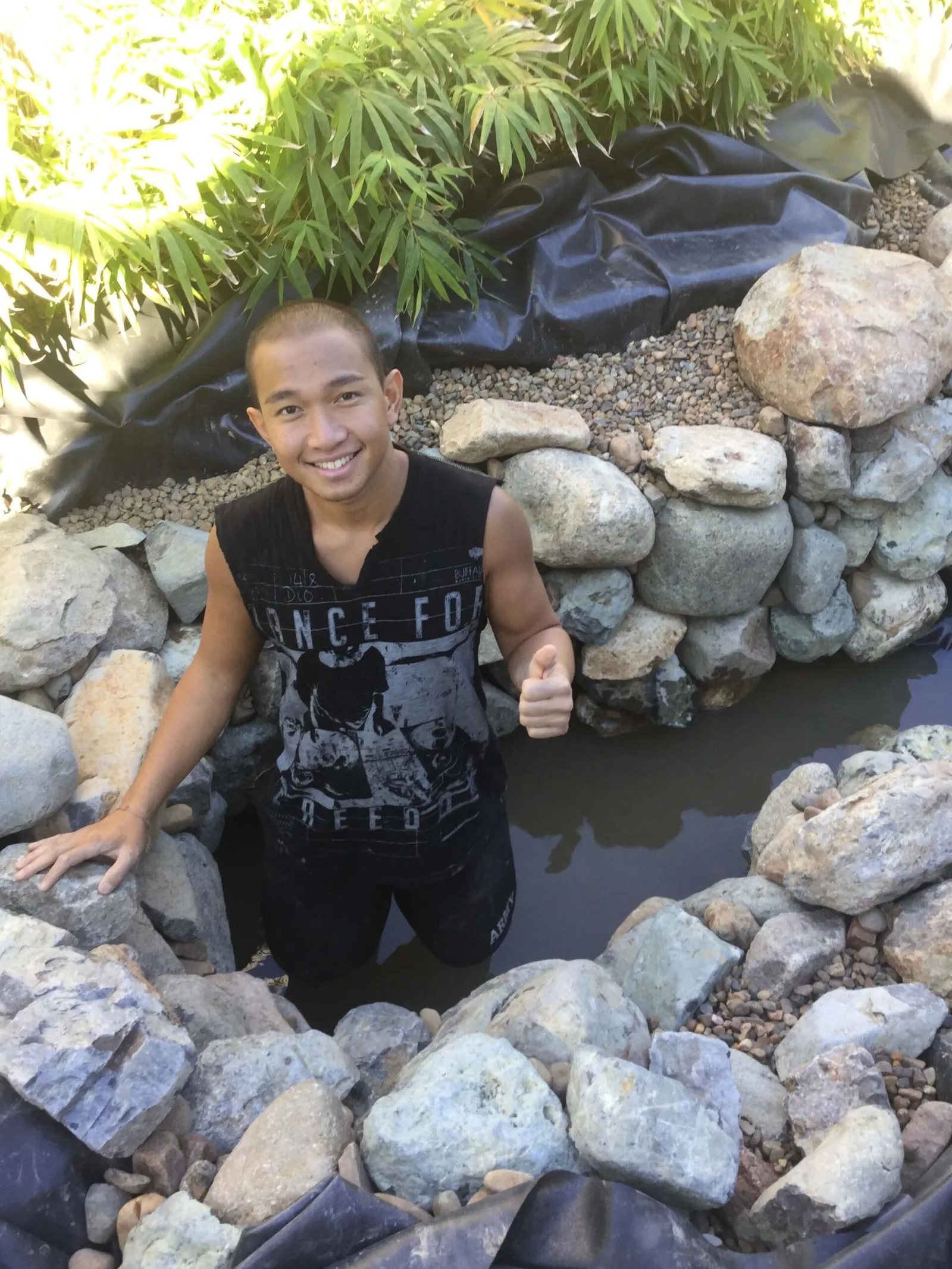
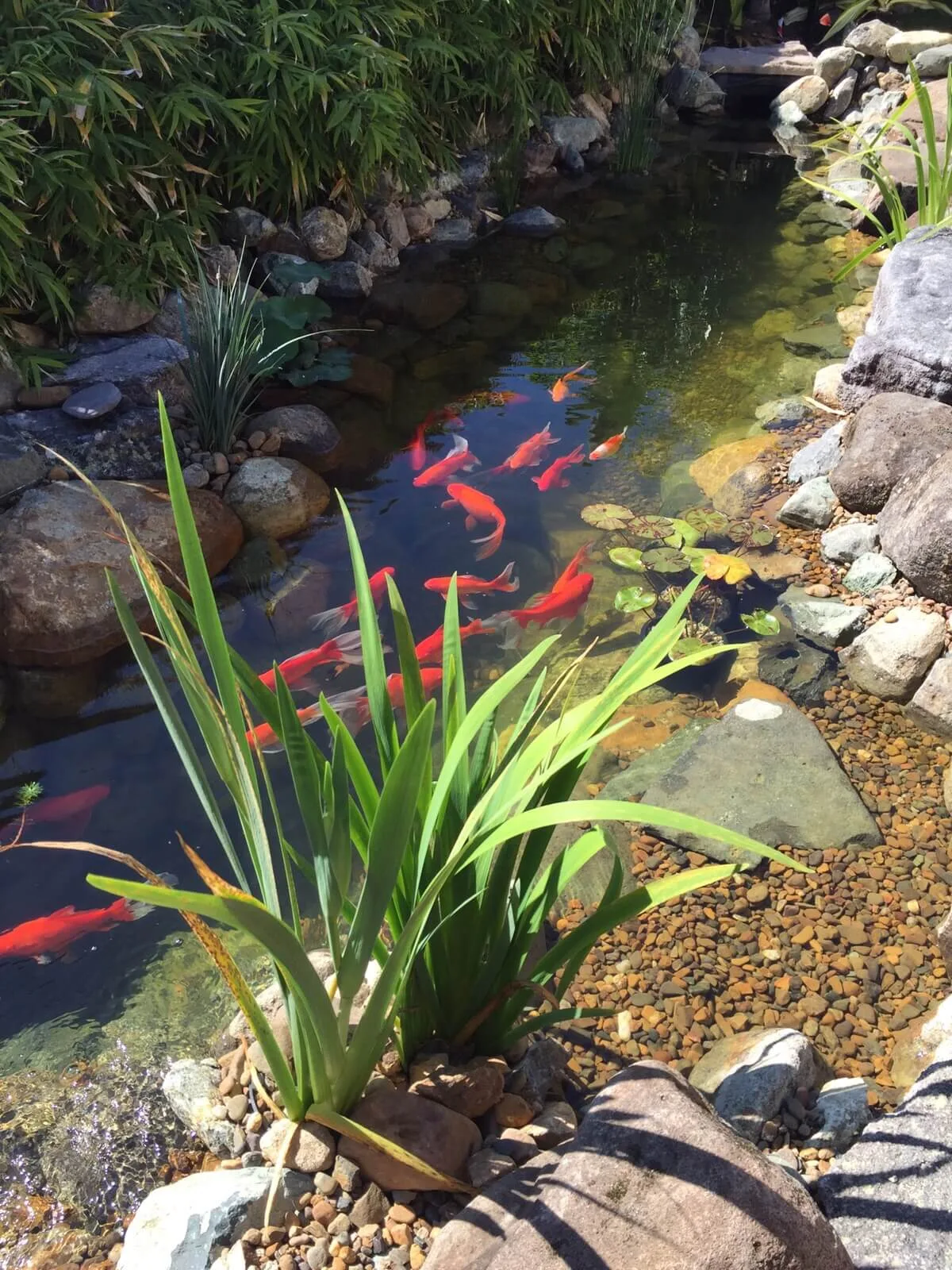
The best part about work-exchange is that you work for a few hours, and then your time is your own. I’d grab a kayak in the afternoon and paddle my way out to the ocean to watch the sunset, and the dolphins would just hang around. It was a dream.
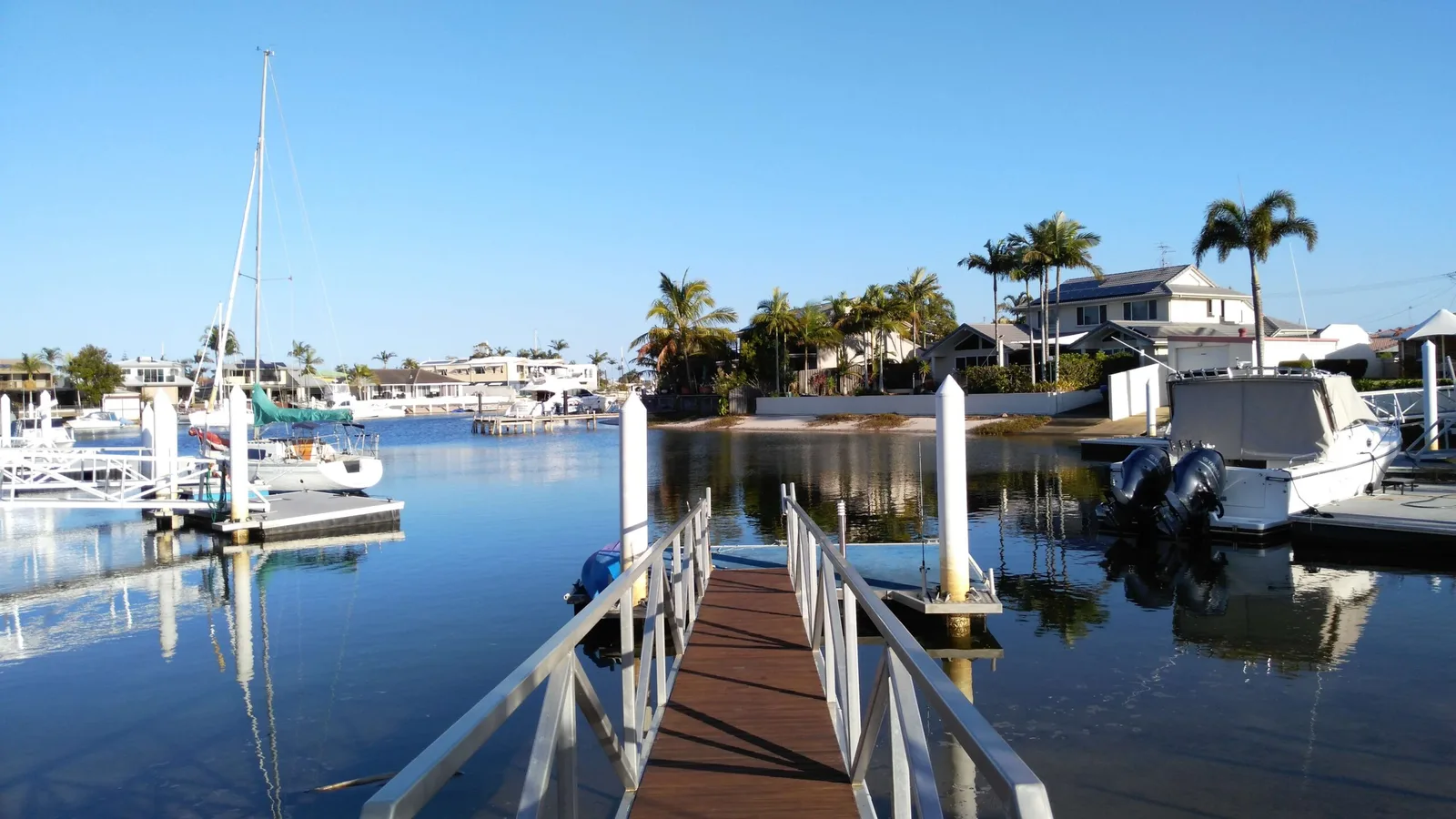
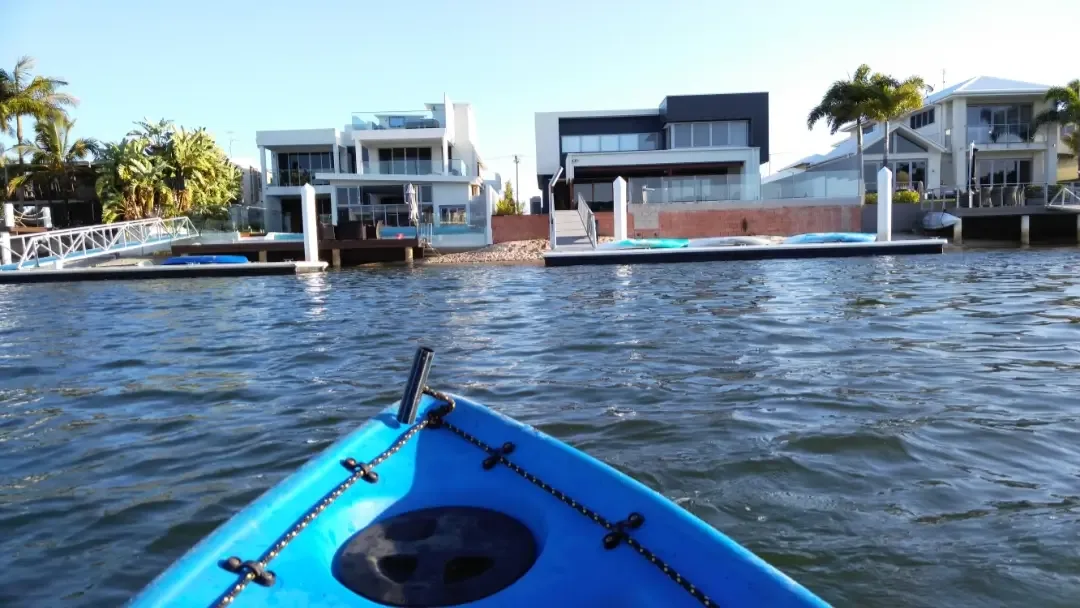
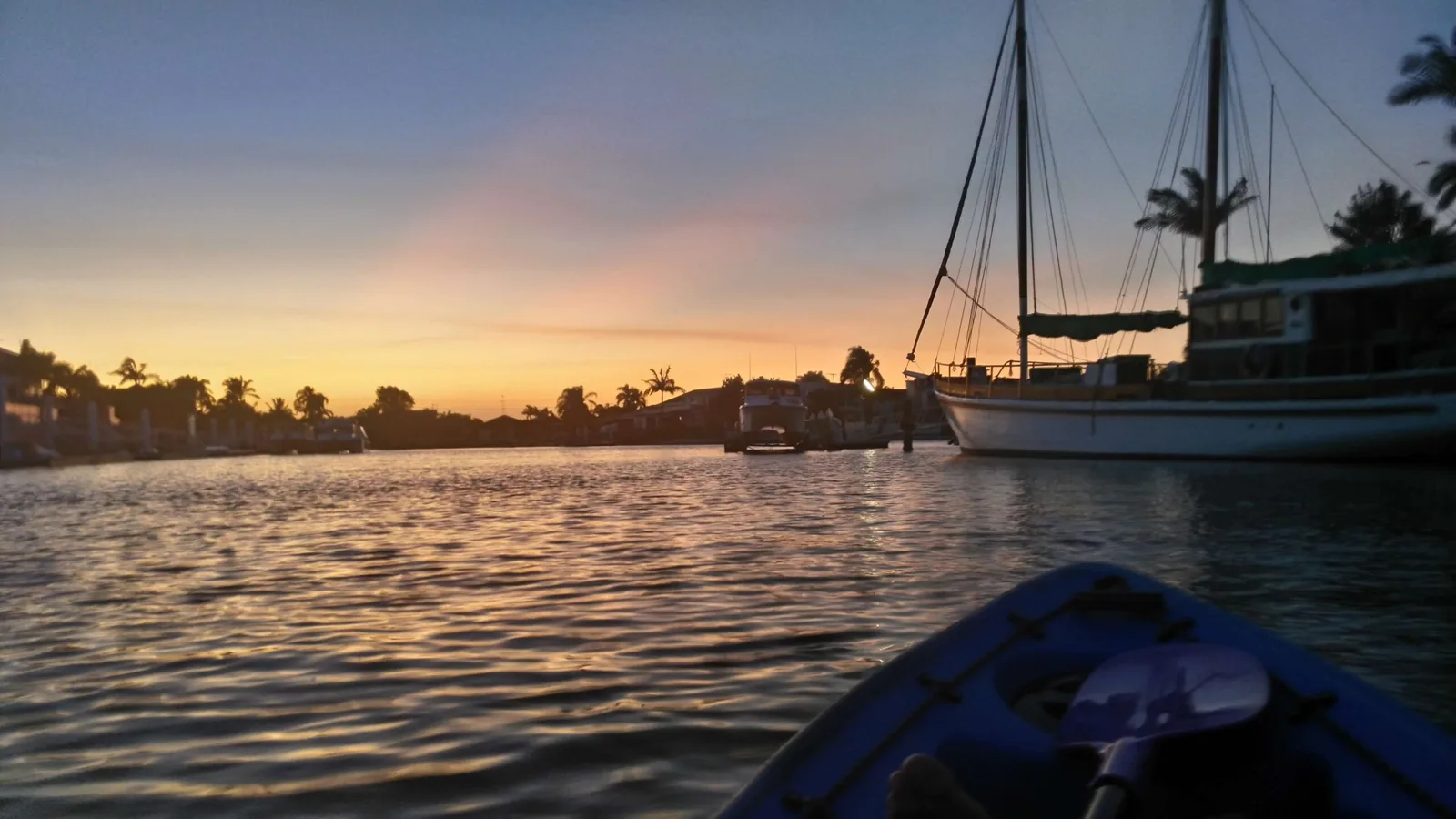
Okay, so where do you find these gigs?
Here are the platforms you should definitely check out. They’re like the trailheads for your next adventure.
- Workaway: This is the one I used first. It’s huge, global, and easy to use.
- Worldpackers: Really great community and the reviews are solid.
- WWOOF: If you want to work on organic farms, this is the one.
- HelpX: It’s a bit old-school, but it’s legit and has tons of opportunities.
This brings me to my most important rule: You have to do your RECON.
Getting to know the people, the places, what to do, what to eat, that’s all part of it. But your safety comes first. When I was in New Zealand, my girlfriend (at the time) and I found a great gig gardening. The house had students from other countries, and it was an amazing experience. But we checked it out first.
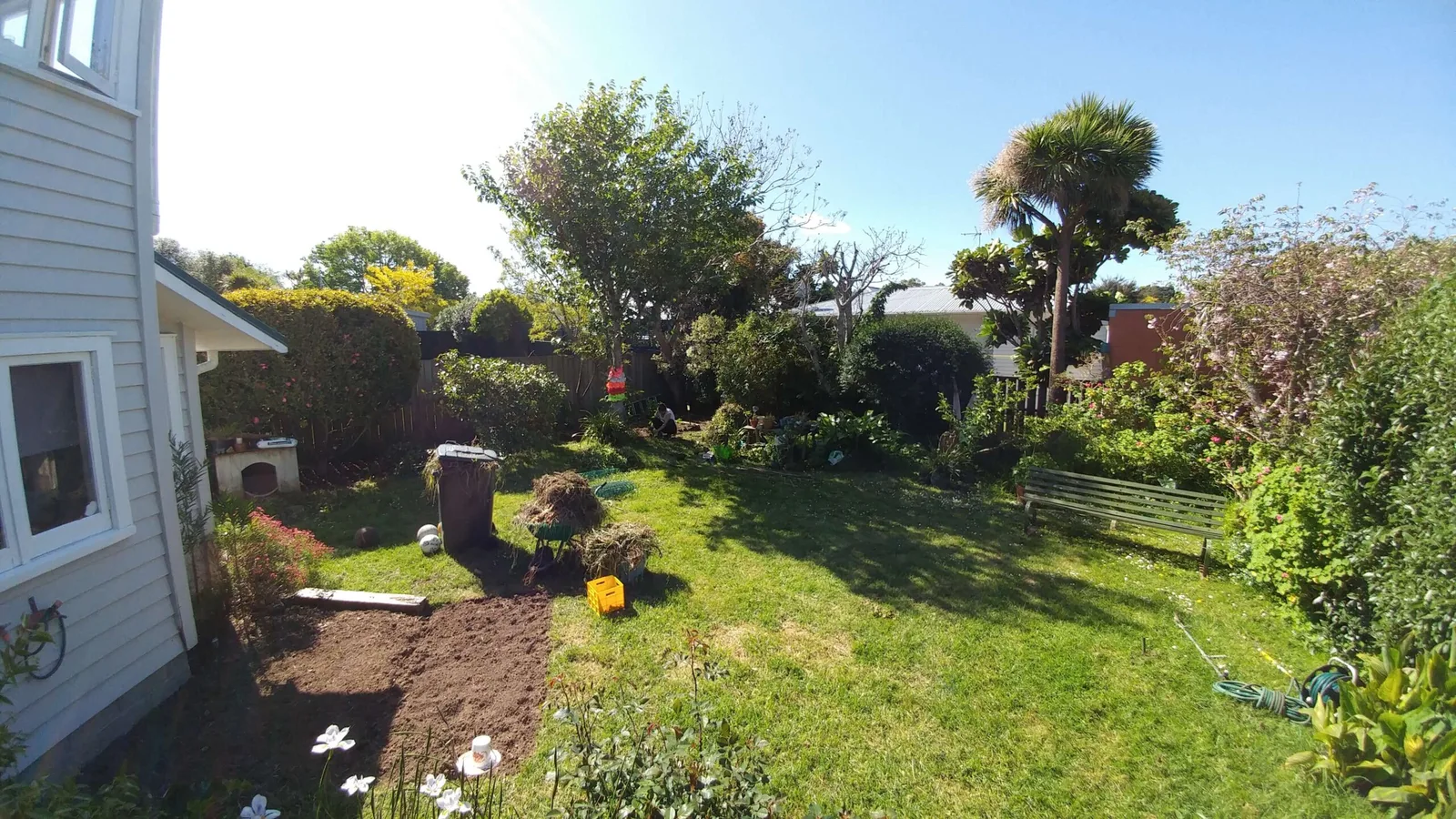
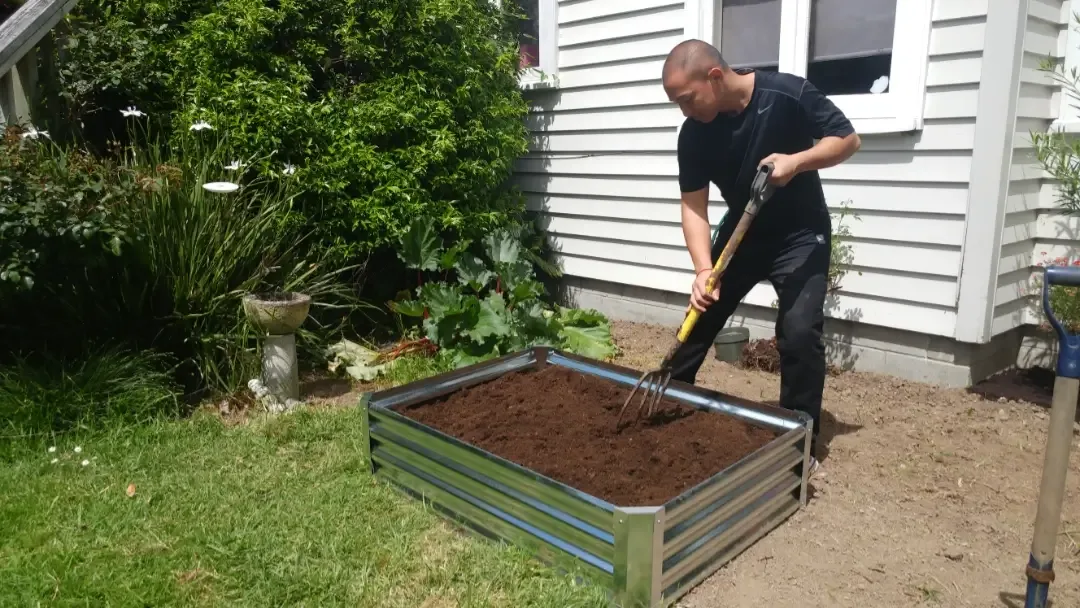
It’s a win-win, but you have to be smart. Read all the reviews of the host. Know what you’re getting into and who you’re staying with. Trust me on this. You just never know.
A quick heads-up on visas…
If you’re under 30 (sometimes 35), look into a Working Holiday Visa. Countries like Australia, New Zealand, and Canada have them. It lets you travel and get paid work for a year.
With my visa, I found paid construction jobs in both Australia and New Zealand. If you’re a good worker and not afraid to get your hands dirty, it’s pretty easy to find work in labor, construction, or in cafes and restaurants. It’s the perfect way to fund the gaps between your work-exchange adventures.
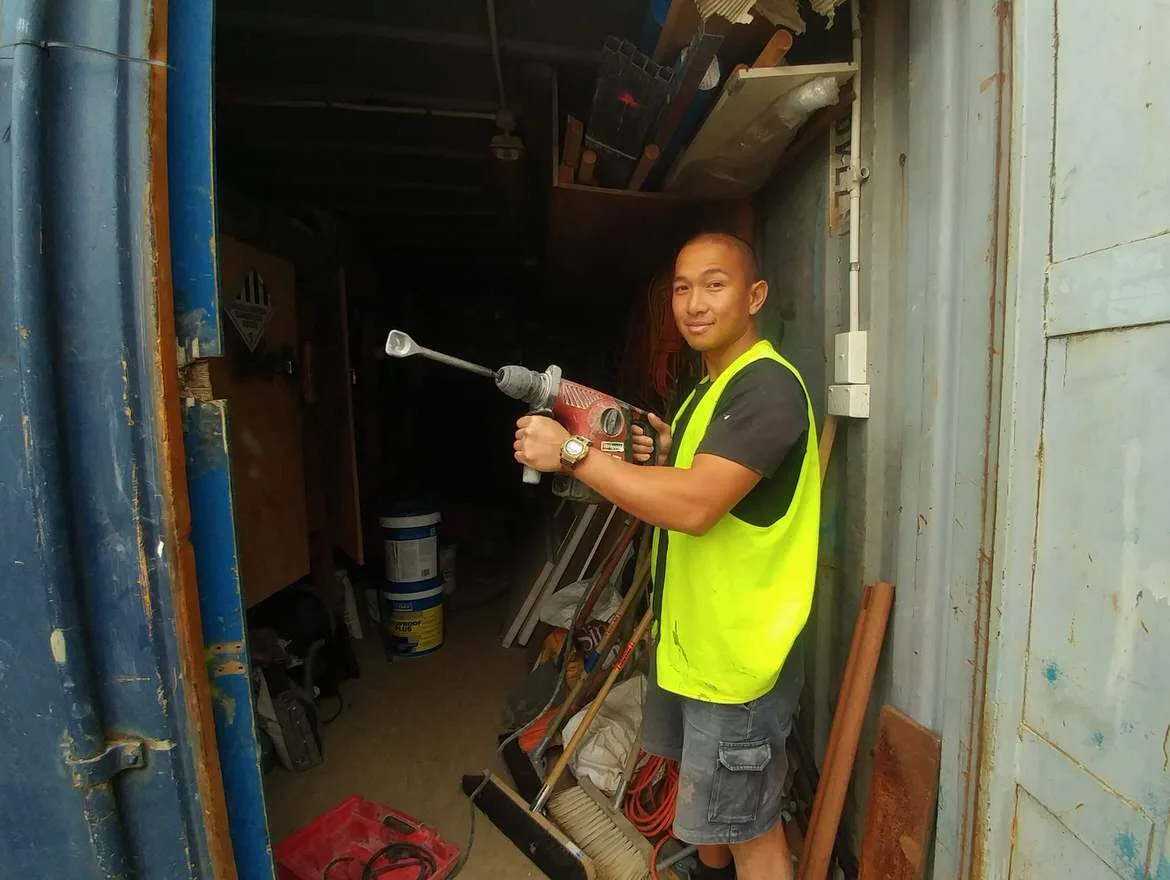
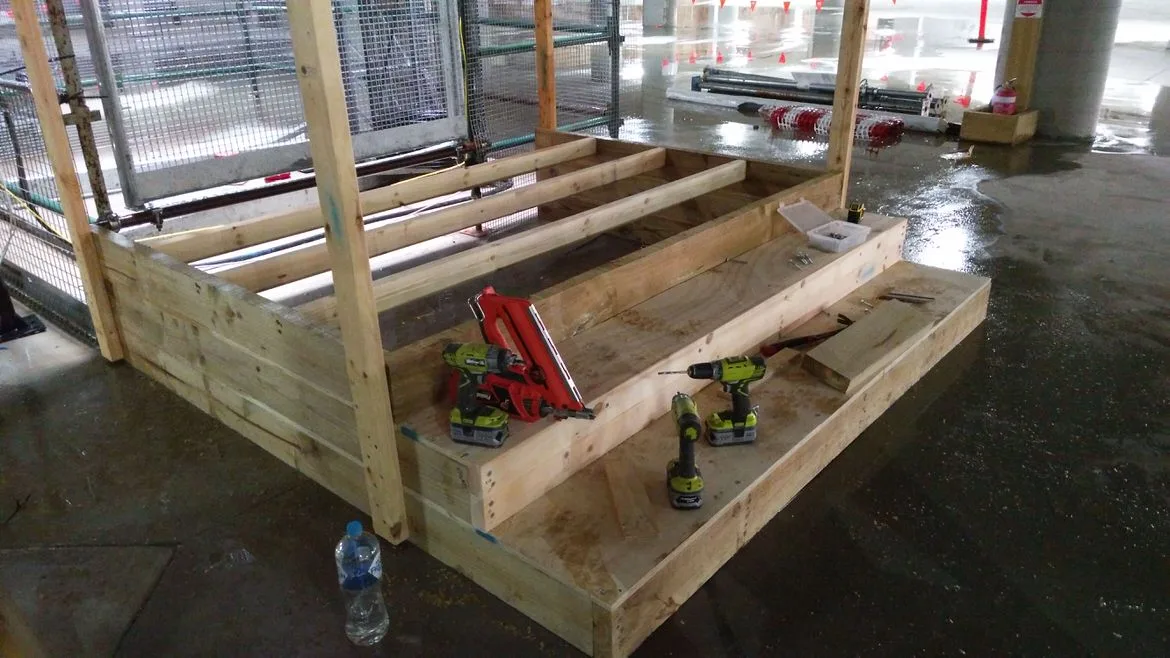
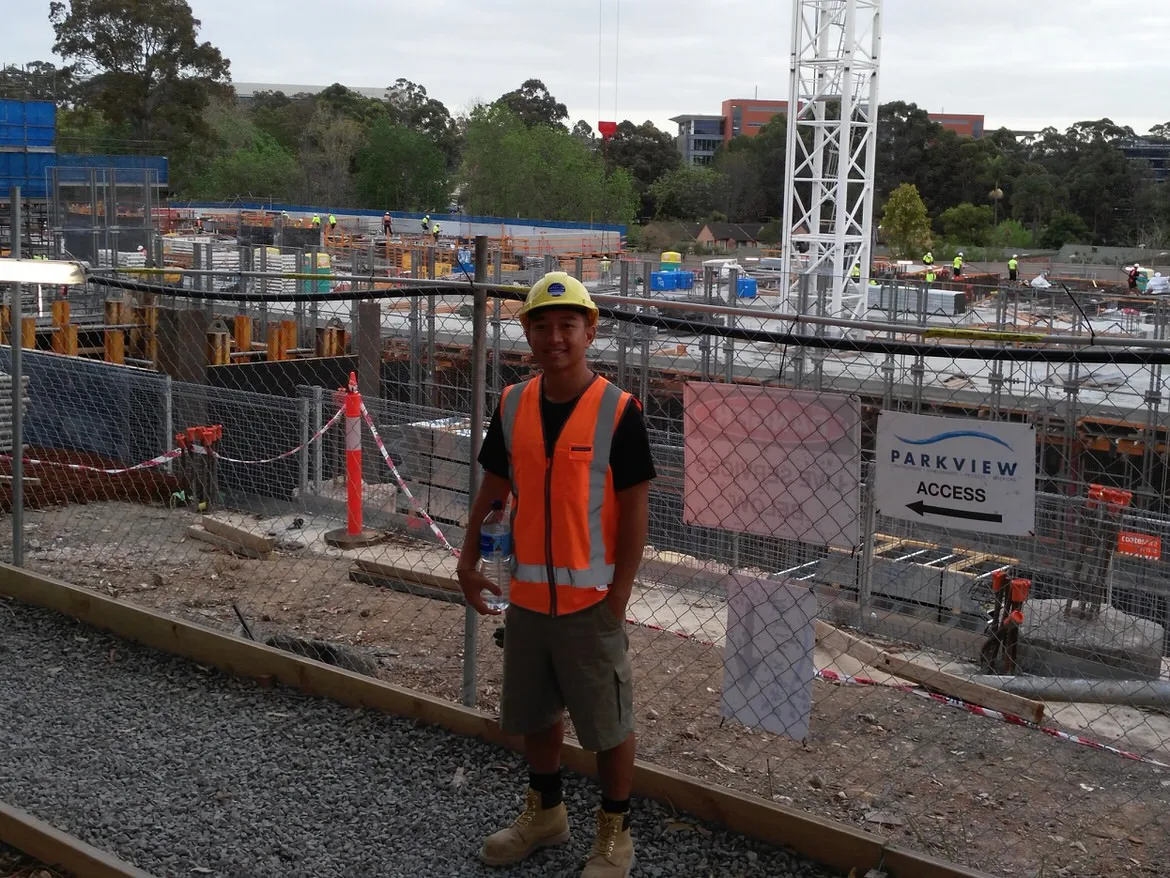
Look, you don’t need a trust fund to see the world.
You need courage and a willingness to trade your skills for a story. You learn new things, make friends that feel like family, and you realize the world is way kinder than you see on the news.
The trail is open. This is your first step.
Ultralight travel kit
Matriz de Equipo
Índice = (durabilidad 1–10 × 10 × 1,15 si es impermeable) ÷ kg. Más alto = más durabilidad por kilo. No es una nota de seguridad.
| Artículo | Categoría | Peso | Índice Utilidad | Marca |
|---|---|---|---|---|
| Anker PowerCore 20KField power redundancy for offline navigation and comms | tools | 345g | 231.9 | Anker |
| Osprey Farpoint 40LEssential carry-on travel pack | tools | 1440g | 62.5 | Osprey |
EXPERIMENTATION AREA
Mapa de Sendero
Coordenadas de este relato
Quebec City Airport Hub
Dificultad: easy46.7911, -71.3933
- Agua
- Sí
- Refugio fijo
- Sí
Hostel Basecamp Medellín
Dificultad: moderate6.2442, -75.5812
- Agua
- Sí
- Refugio fijo
- Sí
Siguiente bitácora → The Shield: The Digital Safety Field Kit